Your scans came back normal, and the doctor said you are fine. Yet something has not felt right since your head injury. That happens more often than people think.
A traumatic brain injury (TBI) is damage to the brain caused by a sudden blow, jolt, or impact to the head or body that disrupts normal brain function. TBI ranges from mild (concussion) to moderate to severe, and mild TBI is the most frequently missed on standard imaging. After California car accidents, slip and fall accidents, motorcycle collisions, and truck accidents, concussions and closed head injuries regularly go undetected by CT scans and MRIs.
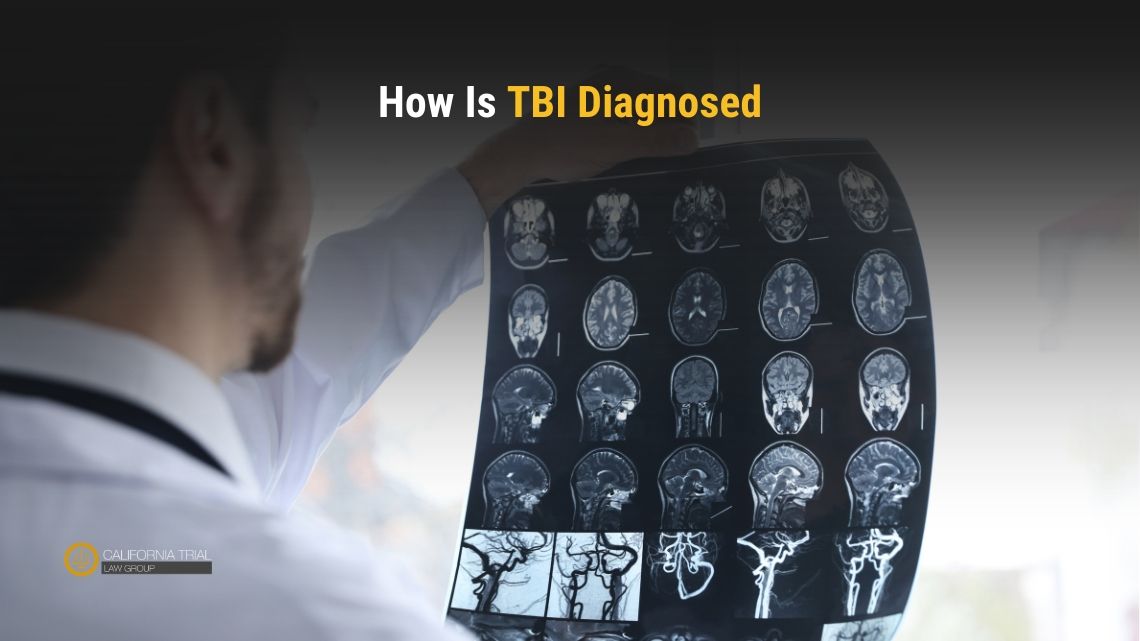
Proper TBI diagnosis requires a combination of neurological examination, imaging, and in many cases, advanced tests like Diffusion Tensor Imaging (DTI) and neuropsychological evaluation. A normal scan result does not mean the brain injury is not real.
If you are still dealing with foggy thinking, headaches, memory loss, or dizziness after a head injury, a California brain injury attorney can help ensure both your recovery and your legal case move forward before crucial evidence disappears.
Key Takeaways:

When you arrive at the emergency room after a head injury, the first thing the medical staff checks is not a scan. It is you.
Can you open your eyes when someone speaks to you? Can you squeeze their hand or say your name? That quick evaluation is part of the neurological exam, and the Glasgow Coma Scale (GCS) is the scoring system behind it. It measures how alert and responsive you are in the first minutes after an injury to show whether your brain function has been immediately affected.
What many people misjudge is that the GCS was created to detect life‑threatening emergencies, not the subtle brain injuries that emerge days later through headaches, memory lapses, or personality changes. You can pass the exam completely and still have a serious traumatic brain injury.
That is not a flaw; it is simply the limit of the tool. The real problem comes when a high GCS score stands alone as your entire medical record, and an insurance company uses it to claim that nothing was ever wrong.
If imaging after your head injury showed everything normal, know that this result is common and often misunderstood in traumatic brain injury cases across California hospitals.
Here is what those scans actually reveal and their key limitations.
The CT scan is the go-to emergency test after head trauma. It excels at rapid detection of urgent issues but misses subtle damage.
What CT finds well:
What CT routinely misses:
A clear CT means no immediate crisis, not an undamaged brain. This distinction proves critical for California personal injury claims.
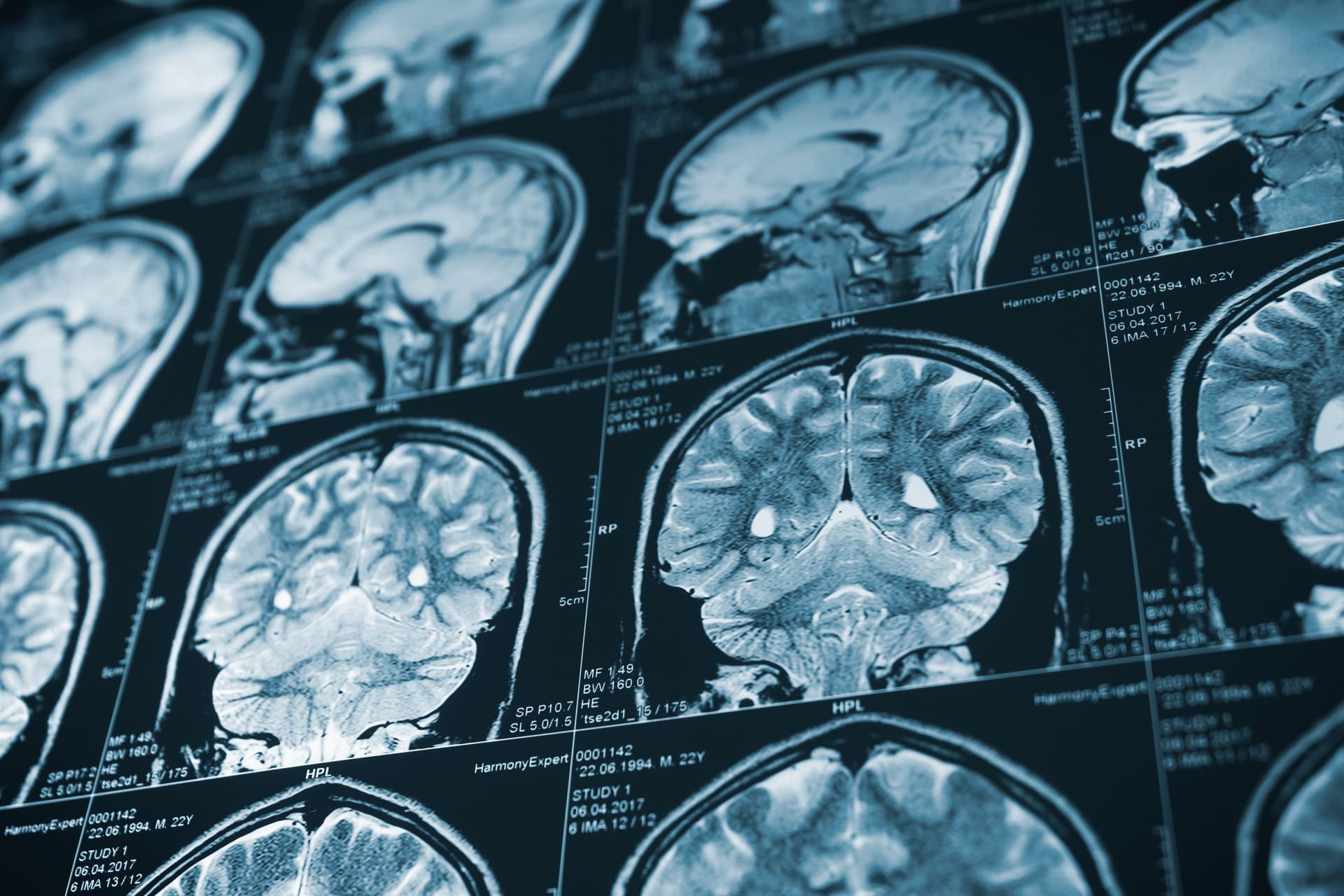
MRI offers finer detail than CT and follows up when brain injury symptoms linger. It spots issues CT overlooks, but has gaps too.
What MRI detects better than CT:
What standard MRI still misses:
Even normal MRI results do not rule out TBI. Conventional imaging is frequently normal in mild cases despite persistent symptoms. Insurers exploit this gap, making advanced diagnostics and legal expertise from highly experienced personal injury lawyers in California essential.
Standard imaging excels at emergencies but misses functional brain injuries, causing memory lapses, conversation struggles, or personality shifts. When CT/MRI results appear normal, yet symptoms persist, specialized tests bridge that gap, tools that brain injury attorneys use to counter insurance denials with objective evidence.
DTI examines brain fiber tract connections invisible on standard MRI. It reveals water molecule diffusion patterns disrupted by trauma, pinpointing white matter damage.
What DTI uniquely detects:
DTI identifies mild TBI damage that conventional scans miss, providing claim-critical evidence.
A neuropsychological evaluation does not involve a scan. It involves you, a specialist, and a structured series of tasks designed to measure how your brain is actually performing. This specialist-led assessment measures real-world brain performance via age-normed tasks for memory, attention, processing speed, and executive function. Pre- versus post-injury comparisons yield quantifiable deficits.
What neuropsychological testing documents:
In California personal injury claims, neuropsychological testing transforms subjective symptoms into measurable data. An insurance adjuster may dismiss a headache. It is far harder to dismiss a documented 40-point drop in processing speed.
Vestibular assessments target balance and orientation systems, often damaged in TBI. If you have experienced dizziness, difficulty walking, movement sensitivity, or the sensation that the room is shifting, your vestibular system may be involved. Testing evaluates these systems directly through a series of controlled assessments.
What vestibular testing identifies:
Vestibular dysfunction is also one of the harder symptoms for insurers to attribute to anything other than the injury itself. Unlike pain or fatigue, balance deficits show up in objective measurements, and they tend to hold up under scrutiny.
For a deeper look at the injury types these tools help identify, see our guide on types of traumatic brain injury.
Beyond imaging and cognitive tests, blood tests now provide an early biochemical signal of brain cell damage. When brain cells are injured, they release specific proteins into the bloodstream that can be detected within 12 hours of the injury.
The FDA has cleared blood tests that measure two brain-specific proteins, GFAP and UCH-L1, to help evaluate mild to moderate TBI in emergency settings. A positive result indicates brain cell damage even when CT scans appear completely normal.
These tests are not a replacement for DTI, neuropsychological evaluation, or vestibular testing when symptoms persist. They are an early triage tool that can flag injury in the first hours after an accident, before insurance companies push you to settle.

A normal CT or MRI does not end your California TBI claim. It is where insurance battles intensify, but the law favors comprehensive evidence over single scans.
What insurance adjusters do with normal imaging results:
What experienced California TBI attorneys do instead:
Legal Reality:
California requires proof by preponderance of evidence, not perfect scans. When DTI shows axonal injury, neuropsych confirms cognitive deficits, and vestibular tests document balance dysfunction, all pointing to the same trauma, denials collapse.
Understanding comparative negligence in California personal injury cases is also important if the defense argues that shared fault contributed to your injury.
The right diagnostic evidence does not assemble itself. It takes coordination between legal and medical professionals who understand what insurers will challenge and what courts will accept.
Many TBI cases move forward on ER records alone. California Trial Law Group builds comprehensive evaluations from scratch, coordinating neurologists, neuropsychologists, neuroradiologists, and vestibular specialists to document injuries that standard imaging may miss. We maintain a dedicated co-counsel and referral program for complex, high-exposure brain injury cases. In the most severe cases, TBI results in death. If that happened to your family, our California wrongful death lawyers can help you pursue accountability and compensation. Many TBI victims also sustain serious spine injuries in the same incident, and we handle both.
Attorney Ike M. Kaludi is a plaintiff-side TBI litigation specialist with a practice centered on traumatic brain injury and catastrophic injury cases.
Attorney Advertising. Results may vary. Prior results do not guarantee a similar outcome.
A free consultation is not a commitment. It is a conversation. You explain what happened, what you are experiencing, and what you have been told so far. There is no fee unless we win your case.
Call us at (888) 238-7562 for inquiries or get a free case review.
California Trial Law Group serves clients statewide from its Albany, CA headquarters. Consultations are available by phone, video, or in person. Bilingual English and Spanish support is available at every stage of your case.
Attorney Advertising. Results may vary.