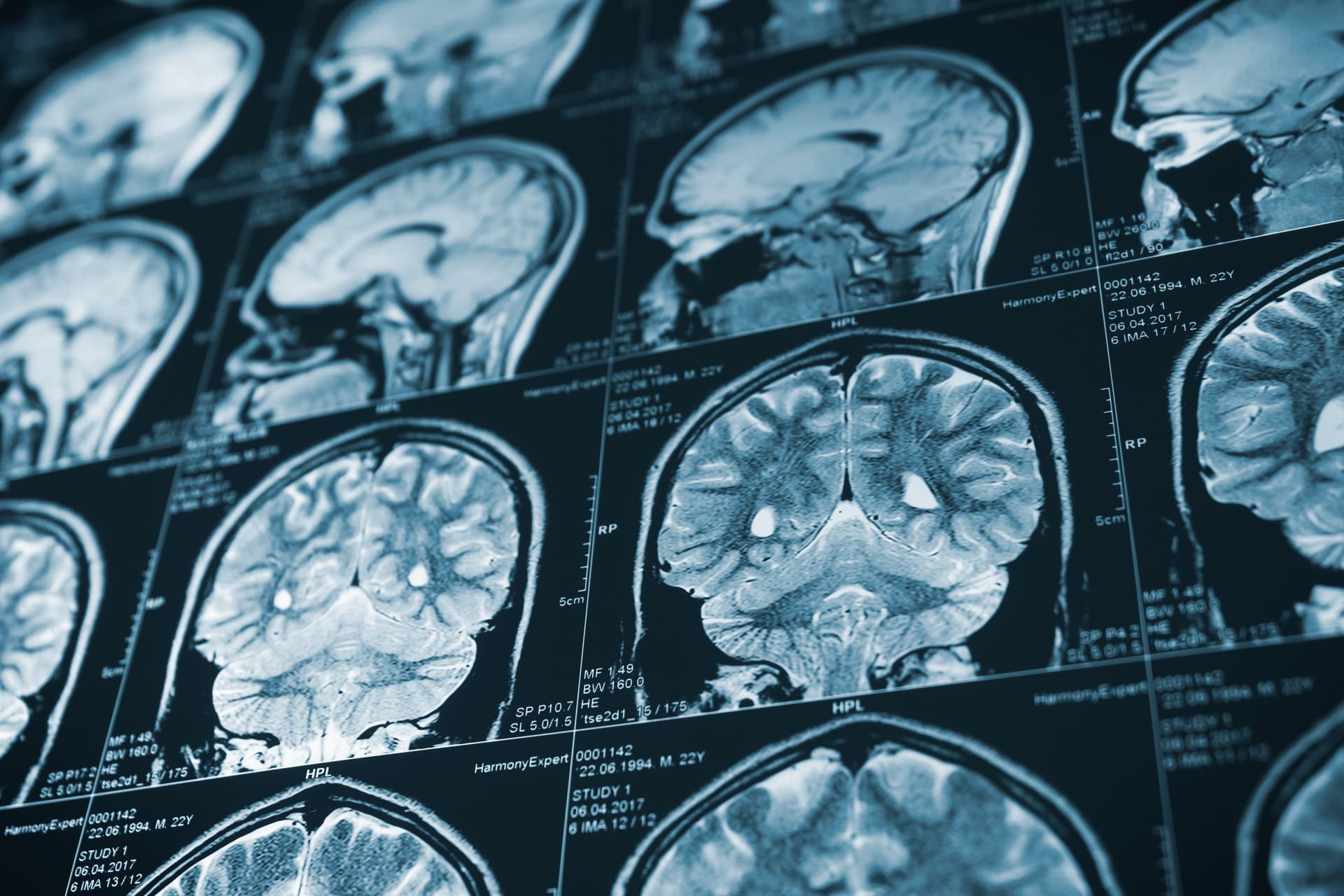
TBI symptoms after a car accident, motorcycle crash, truck collision, or slip and fall rarely announce themselves at the scene. A person can walk away from an accident on San Pablo Avenue or Interstate 80 feeling fine, only to develop chronic headaches, memory gaps, or mood shifts hours or days later.
Traumatic brain injury (TBI) is damage to brain tissue caused by an external force that makes the brain move, twist, or collide with the inside of the skull. The injury is deceptive because symptoms follow the brain's timeline, not the accident's. That delay is medically documented and does not weaken a California personal injury claim, but only if these symptoms are recorded from day one.
Delayed documentation is one of the most common reasons valid TBI claims are denied in California. If you or someone you love is experiencing symptoms after a head injury in Albany, Berkeley, Oakland, or anywhere in the East Bay, a California brain injury attorney at California Trial Law Group can protect your claim before evidence disappears.
Key Takeaways: TBI Signs & Symptoms
Each category of TBI symptom reflects a different region of brain damage, and each carries distinct legal weight in a California personal injury claim. Symptom onset, progression, and documentation across all five categories directly affect claim outcomes. Symptoms also vary depending on the type of brain injury: mild, moderate, or severe.
The most common physical symptom is a headache that worsens over time or fails to resolve with medication. Unlike a typical tension headache, it is persistent, pressure-based, and aggravated by light or movement. Other physical signs include:
Cognitive symptoms disrupt the brain's ability to process, store, and retrieve information. Memory loss after TBI is not ordinary forgetfulness; it is the systematic failure of the brain's encoding mechanism. Word-finding difficulty, known clinically as anomia, means the thought is fully formed, but the word will not come. Other cognitive signs include:
These deficits are measurable through neuropsychological evaluation, even when MRI and CT imaging appear completely normal.
Emotional and behavioral changes after TBI are neurological, not psychological. The frontal lobe (the brain's center for emotional regulation and judgment) is among the most commonly damaged regions in head trauma.
Emotional and behavioral signs include:
Family members often notice before the survivor does, describing them as “not the same person anymore.” California personal injury law recognizes these changes as compensable losses, not just physical injuries.
Sensory symptoms reflect damage to the cranial nerves and neural pathways connecting the senses to the brain's processing centers. They include:
Sensory deficits are among the most frequently dismissed TBI symptoms by insurers, yet they can be fully documentable through ophthalmological, audiological, and neurological evaluation.
Sleep disruption is a CDC-recognized TBI symptom category that none of the most frequently cited law firm resources address as a standalone condition. TBI produces either hypersomnia (sleeping far more than normal) or insomnia despite profound fatigue.
Disrupted sleep worsens every other symptom: it accelerates cognitive decline, amplifies emotional instability, and slows physical recovery. Defense teams frequently argue that pre-existing sleep problems explain post-accident cognitive symptoms. Documenting sleep changes from day one closes that argument before it opens.
TBI symptoms in infants and toddlers differ from adult symptoms because young children cannot describe what they feel. Parents and caregivers should watch for:
Any of these signs following a slip and fall incident, car accident, or sports impact warrants immediate evaluation, and in California, a child's TBI claim carries its own statute of limitations separate from an adult's. The filing deadline for minors is generally tolled until the child turns 18.
Yes, a traumatic brain injury does not require direct head contact. In rear-end car accidents, truck collisions, or motorcycle crashes, the brain can snap violently forward and backward inside the skull during whiplash without any external blow. This is the same mechanism that causes brain injury in shaken baby syndrome.
Insurance adjusters frequently argue that no head strike means no brain injury. That argument is not supported by the medical evidence and has been rejected in California personal injury cases.
Slip and fall accidents are among the common causes of TBI in the United States, alongside motor vehicle crashes, which are the leading cause of TBI-related deaths according to the CDC. Workplace falls, sports impacts, and assaults account for a significant share of brain injury claims filed in California each year. If you did not hit your head but are experiencing TBI symptoms after a California accident, your claim is valid.

Certain TBI symptoms indicate a life-threatening neurological event. The CDC confirms symptoms can develop hours, days, or weeks after trauma, meaning a person who felt fine at the scene may deteriorate significantly in the days that follow.
Call 911 immediately if any of the following are present:
Do not wait to see if symptoms improve. Document every symptom from day one. California courts recognize delayed onset as a documented neurological phenomenon, and that timeline belongs in your medical record, not missing from your case.
Seek legal help immediately after securing medical care if any of the following apply:
A normal scan does not rule out a brain injury. California Trial Law Group uses DTI imaging, vestibular testing, and neuropsychological evaluation to document what standard imaging misses. Contact a California personal injury attorney before accepting any settlement or giving a recorded statement.
California TBI victims may be entitled to compensation for medical expenses, future care costs, lost wages, loss of earning capacity, and pain and suffering. Understanding the full value of a personal injury claim before accepting any offer is critical; early settlements routinely undervalue the long-term cost of a brain injury.
Every symptom recorded today is evidence. Every day without documentation is a gap your insurer will use. And most California injury claims carry a two-year statute of limitations. That deadline arrives faster than most injured people expect.
California Trial Law Group, led by principal attorney Ike M. Kaludi, has recovered $4,750,000 in a single traumatic brain injury confidential settlement. Our TBI lawyers in California do not charge attorney fees up front and work on a contingency fee basis. No win, no fee.
When choosing a California brain injury attorney, credentials and track record matter. Here is what California Trial Law Group brings to your case:
Call (888) 238-7562 or request a case review online.
Attorney Advertising. Results may vary. Prior results do not guarantee a similar outcome.